Breeding a finch with a canary can be challenging but achievable with the right conditions. These birds instinctively mate when their environment supports it. To encourage mating, gradually introduce the birds by placing their cages side by side before allowing them to share a space.
The ideal time to begin is late March, marking the start of the breeding season. Begin introductions by letting the female canary observe the male, which helps assess compatibility. The female’s response is a key factor in successful pairing.
Proper preparation is crucial for producing healthy offspring. Both birds need a balanced diet and a well-equipped nesting environment. A calm, spacious setting with the right lighting and temperature encourages natural mating behaviours.
Understanding Finch and Canary Biology
Crossbreeding success depends on understanding each bird’s biology and courtship behaviours. Finches and canaries both belong to the Fringillidae family, yet they differ in mating habits and physical traits that impact compatibility.
Species Specifics and Compatibility
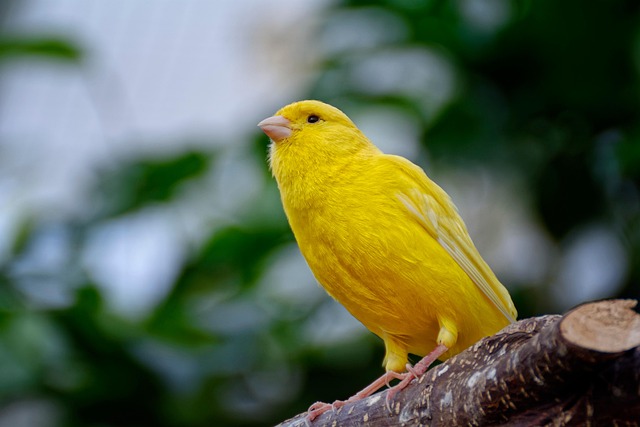
Canaries (Serinus canaria) are closely related to Serins and share lineage with finches. However, they differ in courtship behaviour and physical size. Successful mating often hinges on these traits.
Pairing is more likely to succeed when the male is from the smaller species, reducing physical strain during mating. Finches can be more territorial than canaries, so monitor early interactions closely.
Most success comes from breeding canaries with closely related finch species. Genetic similarity and aligned mating behaviours increase the chances of viable offspring.

Breeding Requirements and Challenges
Finches and canaries should be between six months and seven years old. Fertility declines with age, and both need a protein- and calcium-rich diet for breeding.
Environmental cues also matter. Gradually increasing daylight, maintaining temperatures between 18–24°C, and ensuring proper humidity can help stimulate mating instincts.
The female often initiates courtship, so privacy is vital during this stage. Reducing visual and physical disturbances supports a more successful pairing.
Genetic differences are the greatest obstacle. Even when mating is successful, hybrid males are often infertile. Female hybrids may retain fertility, but outcomes vary depending on species.
Creating a Conducive Environment
A supportive environment is key to crossbreeding success. Proper cage setup, nesting materials, and climate control can significantly impact outcomes.
Cage Setup and Dimensions
Use a cage large enough to give both birds room to move while staying close. A size of at least 60 cm (L) × 40 cm (W) × 40 cm (H) is recommended for a breeding pair.
Choose a quiet, stable location with steady lighting. A double breeder cage with a divider helps ease the birds into each other’s presence, reducing early aggression.
Install multiple perches at different heights, avoiding placement over food or water dishes. Use natural wood perches with varied diameters (1–2 cm) to maintain foot health.
Cage essentials include:
-
Secure doors
-
Easy-to-clean base tray
-
Good ventilation
-
Non-toxic materials
Nesting Preferences and Materials
Provide an enclosed nest box (approx. 12 × 12 × 12 cm) with one entrance, placed in a high, sheltered spot in the cage for safety and comfort.
Offer nesting materials such as:
-
Untreated cotton fibres
-
Coco fibre
-
Fine dried grass
-
Small feathers
-
Short sisal strings
Place materials in a mesh holder outside the cage. This encourages natural foraging behaviour while keeping the cage tidy.
Avoid long strings, synthetic fibres, and human hair, which can cause injury or entanglement.
Temperature and Humidity Control
Maintain a stable temperature between 18–24°C (65–75°F). Avoid spots near windows, radiators, or AC units to prevent sudden changes.
Aim for 50–70% humidity to aid egg development. Use shallow water dishes or humidifiers in dry environments.
Ensure proper air circulation without direct drafts. This reduces the risk of respiratory issues.
Monitoring tips:
-
Use a thermometer and hygrometer near the cage
-
Check conditions twice daily
-
Make adjustments slowly
-
Offer a bathing dish 2–3 times a week
Diet and Nutrition
A nutrient-rich diet supports fertility, healthy egg formation, and chick development.
Optimising Diet for Breeding Conditions
Start with a high-quality seed mix containing white millet, red millet, finch millet, canary seed, and oat groats. Replace hulls twice daily to reduce bacterial growth.
Add fresh produce daily, dark leafy greens, grated carrot, and bits of apple or pear provide key vitamins and moisture.
Before breeding, introduce protein-rich egg food. A homemade version includes finely crushed eggshell, yolk, and white.
Clean water should be available at all times and changed twice a day.
Supplements and Vitamins
Provide a cuttlebone for calcium to support egg production and prevent deficiencies like egg-binding.
Breeding supplements added to water or soft food can include calcium, vitamin D3 (to absorb calcium), and vitamin E (to support reproductive systems).
Sprouted seeds are highly nutritious and should be offered 2–3 weeks before pairing to boost readiness.
You can also offer commercial or homemade soft food blends made with egg, honey, and essential vitamins.
Health and Wellness
Healthy birds are more likely to breed successfully and raise strong chicks. Regular health checks and preventive care are essential.
Monitoring for Signs of Illness
Birds mask illness well, so look for subtle changes:
-
Less singing
-
Fluffed feathers
-
Low energy
-
Altered droppings
Weigh birds regularly using a kitchen scale to detect changes. Watch for symptoms like nasal discharge, laboured breathing, or feather mites. Appetite loss or reduced water intake are also red flags.
Veterinary Care and Check-Ups
Schedule a vet check at least six weeks before breeding. Avian vets can perform physical exams, bloodwork, and faecal tests to spot hidden issues.
Ensure birds are within the breeding age range and consider vaccinations if recommended.
Pre-breeding supplements may be advised, especially calcium for females.
Always quarantine new birds for 30 days to prevent disease spread.
Behavioural Indicators
Knowing when your birds are ready to breed is key. Pay close attention to courtship behaviours and stress signals.
Courtship and Mating Behaviours
Male canaries often sing more intensely as day length increases in spring. They may puff feathers, bob heads, and flutter wings near a female.
Receptive females adopt a crouching posture, trembling slightly with their tails raised. This indicates readiness to mate.
Mutual preening is another good sign, they often groom each other before mating.
Stress and Aggression Management
Aggression or stress can ruin breeding attempts. Warning signs include feather plucking, pacing, or lunging.
Provide ample space so birds can retreat. Separate incompatible pairs quickly to avoid injury.
Begin introductions at a distance and progress gradually. Avoid loud noises or cage moves during the breeding season.
Intervention and Assistance
Though birds can usually breed independently, you may need to step in if complications arise.
When to Intervene in Breeding
If eggs don’t hatch after 14 days or the parents abandon the nest, intervene. Egg-binding requires urgent action, place the female in a steamy bathroom for 10–15 minutes to ease muscle tension.
Separate aggressive pairs, and remove sick birds for treatment before reintroducing them to the breeding setup.
Fostering Eggs and Chicks
If parents reject their eggs or chicks, fostering is a solution. Society finches and experienced canaries make reliable foster parents.
Transfer eggs when the original parents are away and match them with eggs at a similar development stage in the foster nest.
Fostering steps:
-
Handle eggs/chicks with clean, dry hands
-
Transfer when parents are absent
-
Monitor foster acceptance for 24 hours
Chicks need quicker fostering, especially if left unfed. Only hand-rear if necessary, using a specialised formula and syringe every two hours.
Post-Mating Care
After mating, caring for the female and monitoring egg development are crucial for successful hatching.
Caring for the Female
Keep her in a calm, quiet area. Feed her a diet high in protein and calcium, daily egg food with finely chopped boiled eggs, seed mix, and fresh greens like spinach and kale is ideal.
Ensure constant access to fresh water and disturb the nest as little as possible.
Signs of egg-binding, such as a swollen abdomen or laboured breathing, require immediate vet attention.
Incubation Period Monitoring
Eggs usually hatch in 13–14 days. The female does most of the incubating, though some males help.
Maintain humidity between 50–60%. A shallow water dish near the cage helps. Candle eggs after 5–7 days to confirm development.
Limit nest checks to once a day. If the female neglects the nest, use an artificial incubator as a last resort.
Track key dates like mating, egg-laying, and expected hatching for future reference.
Legality and Ethics of Cross-Breeding
In the UK, crossbreeding finches and canaries is legal with domesticated species but regulated under the Wildlife and Countryside Act 1981. Capturing wild birds is illegal without a licence.
Always source birds from reputable breeders and ensure proper documentation. This helps prevent illegal trade and supports ethical practices.
Put welfare first. Avoid forcing incompatible pairs or breeding birds in poor conditions.
Ethical guidelines include:
-
Confirming physical compatibility
-
Providing proper housing and care
-
Avoiding stressful pairings
-
Being prepared to care for hybrids
Join avian breeding organisations that promote responsible, welfare-based practices.

Long-Term Considerations
Sustainable breeding practices require long-term planning and responsible care for both parents and offspring.
Future Breeding Cycles
Limit each pair to three clutches per year to prevent health decline. After the breeding season, separate birds and provide 3–4 months of rest with a nutrient-rich diet.
Maintain detailed breeding records to help with future pairings.
Adjust lighting seasonally, extend daylight to 14 hours in spring and reduce it in winter for natural rest.
Offspring Care and Rearing
Monitor chicks daily for growth and feeding. If parents don’t feed well, supplement with hand-rearing formula.
Wean chicks onto a varied diet: high-quality seeds, soft egg food, vegetables, and calcium supplements.
Once independent (typically at 4–6 weeks), move young birds to their own cage to avoid conflicts and monitor their development.