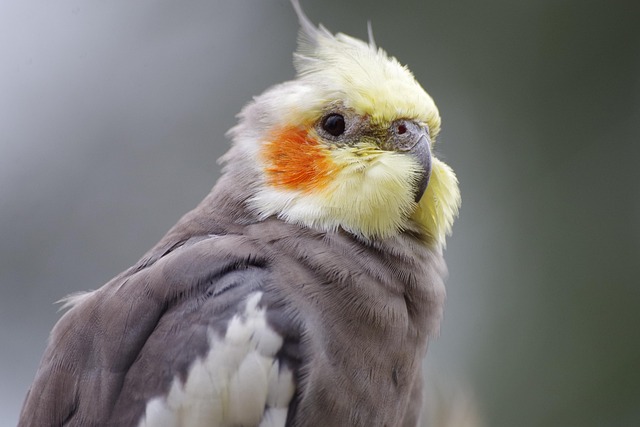
Cockatiels with cold symptoms need quick attention. Respiratory infections can escalate fast in these sensitive birds. One immediate home remedy is steam therapy, place your bird in a steamy bathroom while running a hot shower. This can help clear congested airways. Bird-specific antibiotics, like terramycin, may be added to drinking water, but only under veterinary guidance.
Natural remedies can support recovery in mildly sick birds. Some owners use neem leaves or oregano as supplements, and calcium boosters like Calcivet may help strengthen the immune system. However, these should never replace professional care.
Early detection greatly improves recovery. Watch for signs such as wheezing, lethargy, or nasal discharge. While home care can offer relief, only an avian vet can provide a reliable diagnosis and treatment plan.
Recognising Cockatiel Colds
Understanding the symptoms and causes of respiratory infections helps you act quickly and prevent complications.
Identifying Symptoms
Common cold symptoms in cockatiels include nasal discharge, sneezing, and wheezing. Discharge may appear wet or crusty around the nostrils. Sneezing, if frequent, is a key red flag.
Changes in vocalisations are also telling. A hoarse or raspy voice often signals congestion. Watch for laboured breathing and tail bobbing, a sign your bird is working hard to breathe.
Lethargy is another symptom. If your bird is inactive, uninterested in toys, or sleeping more, it's likely unwell. Eye discharge or swelling, along with persistent feather fluffing to retain warmth, also suggest illness.
Understanding Causes
Respiratory infections can stem from bacterial or viral sources. Bacterial infections often need antibiotics, while viral illnesses usually require supportive care.
Environmental stressors are a major factor. Cold drafts, temperature swings, or poor ventilation can weaken a bird’s respiratory system. Nutrient-poor diets lower immune defences, increasing vulnerability.
Stress from environmental changes, loneliness, or new pets also contributes to illness. Stress suppresses immunity, making birds more prone to infection.
When to Consult a Vet
See a vet immediately if your bird has trouble breathing, refuses food or water, or sits at the cage bottom. These are signs of serious illness.
Any symptoms lasting more than 24–48 hours require professional evaluation. Birds hide illness well, so visible symptoms often mean the problem is already advanced. Never use human or over-the-counter medications on birds without expert advice.
If an avian vet isn’t nearby, contact exotic pet vets or bird rescue groups for referrals. A phone consultation can offer temporary guidance.

Immediate Care for Your Cockatiel
At the first sign of illness, focus on comfort and support while monitoring your bird closely.
Providing a Warm Environment
Keep your bird in a quiet, draft-free room at a stable temperature between 26–29°C. Use a ceramic heat lamp outside the cage to offer gentle warmth. Ensure the bird can move away if it gets too warm.
Consider using a smaller hospital cage or travel carrier, it’s easier to keep warm and clean. Line it with paper towels to avoid dust from loose substrates, which can worsen breathing issues.
Ensuring Proper Hydration
Offer clean, room-temperature water in fresh containers, changing it twice a day. Adding bird-specific electrolytes can encourage hydration. Products like Calcivet or Calciboost may help.
If the bird is too weak to drink, use a syringe (no needle) to offer small sips from the side of the beak. Never force water down the throat, it could cause choking. Avoid baths until symptoms subside to prevent chilling.
Adjusting Their Diet
Sick cockatiels need soft, nutritious foods that are easy to digest. Try small portions of soft fruits like apple or pear. Millet spray may encourage eating.
Warm, bird-safe porridge made with water (never milk) can provide comfort and energy. Top it with finely chopped vitamin A-rich vegetables like carrots or sweet peppers to aid immunity.
Stick to familiar foods and make them easily accessible. Avoid sudden diet changes that could upset digestion.
Veterinary Treatments
If symptoms don’t improve with home care, professional treatment is essential.
Diagnostic Tests
Avian vets use blood tests, throat swabs, faecal analysis, and sometimes X-rays to pinpoint the infection. In complex cases, endoscopy allows direct examination of airways under light anaesthesia.
They’ll also monitor temperature, respiration, and weight to assess severity and track progress.
Medications and Dosages
Avian antibiotics like Baytril (enrofloxacin), doxycycline, or terramycin are commonly used. Dosage depends on the bird’s weight.
Typical dosages include:
-
Enrofloxacin: 5–15 mg/kg every 12 hours
-
Doxycycline: 25–50 mg/kg every 24 hours
-
Terramycin: 1–2 drops per 30 ml in drinking water
For fungal infections, antifungals may be needed. Viral cases usually rely on supportive care. Nebulisation (inhaled medication mist) and anti-inflammatories might also be prescribed.
Follow-Up Care
Follow-ups every 7–10 days help track recovery. Vets reassess breathing, weight, and behaviour and may adjust medications.
Keep your bird in a warm space (24–27°C) and follow the full medication course, even if symptoms improve. Weigh your bird regularly using a kitchen scale. A sudden weight drop or relapse requires immediate vet care.

Home Remedies
Home remedies can ease discomfort while you arrange vet care, but they are not substitutes for professional treatment.
Natural Supplements
Crushed garlic (¼ clove in 8 oz of water) may provide antibacterial benefits. Use only fresh garlic and replace the water daily.
Calcium supplements like Calcivet or Calciboost help strengthen a weak bird. Follow package directions and avoid human or pet medications, which can be toxic to cockatiels.
Comfort Measures
Ensure hydration by monitoring water intake. Use a dropper if necessary but avoid force-feeding. Steam sessions (5–10 minutes) in a warm bathroom can ease breathing but should be brief to avoid stress.
Keep your bird warm using a low-set heating pad under half the cage. Offer frequent small meals of soft foods like mashed vegetables or warm porridge to support recovery.
Preventing Future Illness
Preventive care reduces the risk of future infections and keeps your cockatiel healthy long term.
Cage Hygiene
Clean food and water bowls daily. Replace cage liners at least twice a week. Clean toys and perches monthly using bird-safe disinfectants.
Avoid drafts, fumes, and scented products near the cage. An air purifier can help reduce dust and airborne irritants.
Dietary Management
Feed high-quality pellets for 60–70% of the diet, with fresh veggies and limited fruits. Provide calcium via cuttlebone or mineral blocks.
Keep water clean and use supplements only under vet guidance. Avoid toxic foods like avocado, chocolate, caffeine, and alcohol. Store food in airtight containers and discard any spoiled seeds.
Stress Reduction
Establish a routine for feeding, sleep, and interaction. Allow 10–12 hours of quiet darkness each night. Offer supervised out-of-cage time, toys, and foraging opportunities for mental stimulation.
Quarantine new birds for at least 30 days. Avoid overwhelming your bird during introductions to new people or environments.

Recovery and Monitoring
Ongoing monitoring helps ensure your bird is truly on the mend.
Observing Behaviour
A recovering bird becomes more active, vocal, and curious. Track improvements in:
-
Appetite: A sick bird regaining interest in food is a good sign
-
Droppings: Should return to normal consistency and colour
-
Breathing: Wheezing and clicking sounds should decrease
Keep the bird warm and separate from others during recovery to prevent spreading illness.
Assessing Health Progress
Keep a daily log of symptoms, medications, and behavioural changes. Look for:
-
Clear nostrils
-
Less sneezing and coughing
-
Bright, alert eyes
-
Balanced posture
Weigh your bird regularly. Continued weight loss needs urgent vet care. Complete the full course of medication and schedule a follow-up appointment to confirm full recovery.
Long-Term Health Strategies
Proactive care greatly reduces the risk of illness and ensures your cockatiel thrives.
Regular Veterinary Check-Ups
Annual visits to an avian vet help catch early signs of disease. Vets assess weight, feather condition, breathing, and droppings. Keep health records to monitor changes over time.
Immunisations and Parasite Control
Cockatiels don’t need regular vaccines, but should be screened for parasites. Your vet may recommend periodic faecal exams and parasite treatments.
Avoid over-the-counter bird products unless specifically approved by your vet.
Mental and Physical Stimulation
Boredom weakens immunity. Keep your bird active and engaged with:
-
Daily out-of-cage time
-
A variety of toys
-
Different perch sizes
-
Foraging opportunities
Light misting (when healthy) promotes feather care. Ensure good airflow without direct drafts to support respiratory health.
If you're looking for cockatiels for sale, check out the listings at Birdtrader.